


Journal
Signals. Not noise.
Signals from the network - selection, markets, and the people building what comes next.
Filter by category

Why Banking Access Is a Barrier Nobody Talks About
Most founders expect capital, talent, and product-market fit to decide their fate. Few prepare for the quieter obstacle that stops companies before the first invoice clears: the banking access barrier for founders.…
Read →
Designing a Mentor Network Around Domain Expertise, Not Geography
Incubators once filled rooms with nearby entrepreneurs and hoped chemistry would do the rest. That habit still wastes founder time. A mentor network by domain expertise reverses the old map: first define the hard…
Read →
How We Match Founders With Mentors Who Have Built Before
At Foundation we treat matching founders with experienced mentors as a craft rather than a spreadsheet exercise. The goal is simple: place someone who has already shipped product, raised capital, hired teams, or…
Read →
The Administrative Barriers Most Founders Never See Coming
Founders who clear product-market fit still run into quiet administrative walls that reshape timelines and burn cash. These barriers rarely appear in pitch decks or mentor chats, yet they decide whether a company…
Read →
Why Cross-Border Incorporation Should Not Take Six Months
Founders who plan multi-country products still watch calendars burn while lawyers shuffle forms between registries. The phrase faster cross-border incorporation is not a luxury slogan; it is the difference between…
Read →
Building a Mentor Network That Spans Three Continents
Founders who treat mentorship as a local habit often stall when their customers, suppliers, or investors sit oceans away. A mentor network across continents is not a vanity map of famous names; it is a deliberate…
Read →
How Visa and Relocation Support Fits Into Incubation
Incubation programs that treat geography as optional often leave founders stranded between a promising idea and the place where that idea can actually grow. Visa and relocation support sits inside the core operating…
Read →
Removing the Bureaucratic Barriers That Slow Down Builders
Builders lose months to stamps, filings, and waiting rooms long before their products ever meet customers. Removing bureaucratic barriers for builders is not a slogan. It is the daily work of clearing paths so code…
Read →
Do Founders Need to Raise Outside Capital If They Join Us
Many early builders ask a blunt question when they first look at incubator options: do founders need outside capital if they join us? The short reply is no. Raising is optional, not automatic. Our model treats funding…
Read →
How Does IP Protection Work Before a Company Exists
Founders often invent first and form a company later. That gap leaves intellectual property floating without a legal owner, which creates real risk for anyone building software, hardware, or a brand name. Understanding…
Read →
What Does Full-Spectrum Incubation Include
Full-spectrum incubation covers every stage a founder faces when turning a loose idea into a durable company. At Foundation the approach refuses partial fixes and instead supplies coordinated help that spans concept…
Read →
New Incubation Track Streamlines Company Formation for Founders
Founders who want to turn an idea into a real company often hit paperwork walls before they ever ship a product. The new incubation track for company formation at Foundation is built to cut that delay. It groups legal…
Read →
Foundation Incubator Expands Full-Spectrum Incubation Services
Foundation Incubator has widened its full-spectrum incubation services so founders receive coordinated help from first sketch to market entry. The expansion answers a clear gap: most early teams need more than a desk…
Read →
Why We Fund the Founder Before We Fund the Round
At Foundation we reverse the usual order of early stage money. We place capital with the founder first, then shape any formal round around that person. This choice grows from hard lessons about how young companies…
Read →
How Permanent Partners Fund Follow-On Rounds Differently
Permanent partners approach later funding with a different clock and a different map of risk. At Foundation the goal is not to clear a portfolio slot before a ten year clock expires. The goal is to keep useful capital…
Read →
When Internal Capital Makes External Fundraising Unnecessary
Founders often hear that every ambitious company must raise outside money to survive. That assumption fails when the firm already generates enough cash to fund its next leaps. Internal capital vs external fundraising…
Read →
How Internal Fundraising Support Changes a Founder's First Year
Most first-time founders spend their opening twelve months treating capital like a scarce resource they must chase outside the company. Internal fundraising support for founders flips that reality. Money, advice, and…
Read →
Why We Build the Company Shell Around the Genius, Not Before
Many founders arrive with a breakthrough in their head and a blank legal page in front of them. The instinct is to race toward incorporation, bank accounts, and cap tables before the idea has room to breathe. At…
Read →
The Incubation Playbook: Legal, Capital, and Talent in One Place
An incubation playbook that holds legal structure, capital access, and talent attraction in one place removes the usual scramble founders face when those three strands live in separate rooms. At Foundation the playbook…
Read →
How Founder Execution Speed Compounds Over an Incubation Period
Founders who treat an incubation period as a pure calendar stretch miss the real mechanism. Execution speed during incubation does not add in a straight line. It multiplies. Each week of clean decisions and rapid tests…
Read →
Why We Handle Compliance So Founders Handle Code
Early stage software builders lose more days than they realize to licenses, disclosures, and registration deadlines. At Foundation we absorb that load so the people writing product remain inside the editor, not the…
Read →
The Role of Operations Support in Early Incubation
Early incubation rarely fails because of a missing idea. More often it stalls when the people building the product also try to run payroll, open bank accounts, negotiate vendor contracts, and keep basic compliance…
Read →
Building Fundraising Infrastructure Before the First Pitch
Most founders treat the first investor meeting like a performance that begins with a polished slide deck. The real work starts months earlier when the company still looks more like an idea than an organization.…
Read →
How We Support Technical Founders Who Hate Admin Work
Technical founders often fall in love with the product and dread everything else. The codebase thrills them. Spreadsheets, filings, and signature packets drain them. At Foundation we built our incubator specifically…
Read →
From Whiteboard to Incorporated Entity in Weeks, Not Months
Turning a sketch on a whiteboard into a real company used to drag on for a season or longer. Founders spent weeks waiting on forms, signatures, and bank reviews while competitors moved. Today the same path can close in…
Read →
Why Founders Should Not Have to Hire a Lawyer First
Founders without hiring a lawyer first can launch cleaner companies when the system around them absorbs the early paperwork load. Too many builders still treat the first billable hour as a rite of passage, yet that…
Read →
The Hidden Work of Company Formation Nobody Talks About
Sponsors often present the hidden work of company formation nobody talks about as a narrative that can travel without underwriting filters. Foundation Incubator files on hidden work of company formation should open…
Read →
How We Think About IP Ownership in Early Partnerships
Early partnership documents often bury intellectual property clauses that later determine who can raise, sell, or open source critical work. Clear thinking on ip ownership in early partnerships protects founders,…
Read →
What Full-Spectrum Support Looks Like in Practice
Full spectrum support is easy to claim in a pitch and hard to demonstrate in weekly operations. For permanent capital partnerships, full-spectrum support in practice means named owners, service boundaries, escalation…
Read →
Building the Back Office So Founders Can Just Build
Founders lose months to payroll setup, vendor contracts, compliance calendars, and finance close processes that do not appear in product roadmaps. Serious permanent capital partners treat back office support for…
Read →
How Incubation Removes the Non-Building Work From Founders
Founders still absorb compliance calendars, vendor negotiations, and back office workflows when product development, customer discovery, and artifact versioning already determine whether exploration capital converts to…
Read →
The Founder Execution Framework We Use Internally
Accelerator playbooks still reward sprint velocity when tranche gates, artifact versioning, and refusal discipline already determine whether exploration capital converts to governed build phases allocators can audit.…
Read →
Why Legal Infrastructure Comes Before Product Infrastructure
Accelerator narratives still reward demo velocity when incorporation defaults, contractor assignment gaps, and vendor terms already determine whether a shipped product can be owned, licensed, or syndicated on terms…
Read →
Patent Strategy for Founders Who Have Not Shipped Yet
Founders often defer patent strategy until after product launch when collaborators, contractors, and public disclosures already created prior art and ownership gaps syndicates exploit during diligence. Foundation…
Read →
How We Structure Cap Tables Before There Is a Company
Founders under syndicate pressure often accept cap table terms that compress future flexibility because incorporation happened before artifact proof and governance scaffolding matured. Foundation Incubator practices…
Read →
The First Ninety Days Inside an Incubation Partnership
Founders often treat incubation onboarding as orientation week when permanent partnership actually establishes governance rhythms, tranche defaults, and artifact review cadence that persist for years. The first ninety…
Read →
Fundraising Without the Fund: How Internal Capital Works
Founders under vintage pressure often chase syndicate events before governance proof and product depth justify dilution. Foundation Incubator explains internal capital instead of fundraising as permanent partnership…
Read →
Why Company Formation Should Not Be the Founder's Job
Founders under syndicate pressure often spend weeks on entity filings, registered agents, and cap table spreadsheets when artifact work stalls and governance debt accumulates. Foundation Incubator treats company…
Read →
The Operating System of a Well Incubated Startup
Founders often confuse incubation with capital plus advice when permanent partnership actually installs an operating system: spending authority, mentor challenge rhythms, legal scaffolding, IP calendars, and tranche…
Read →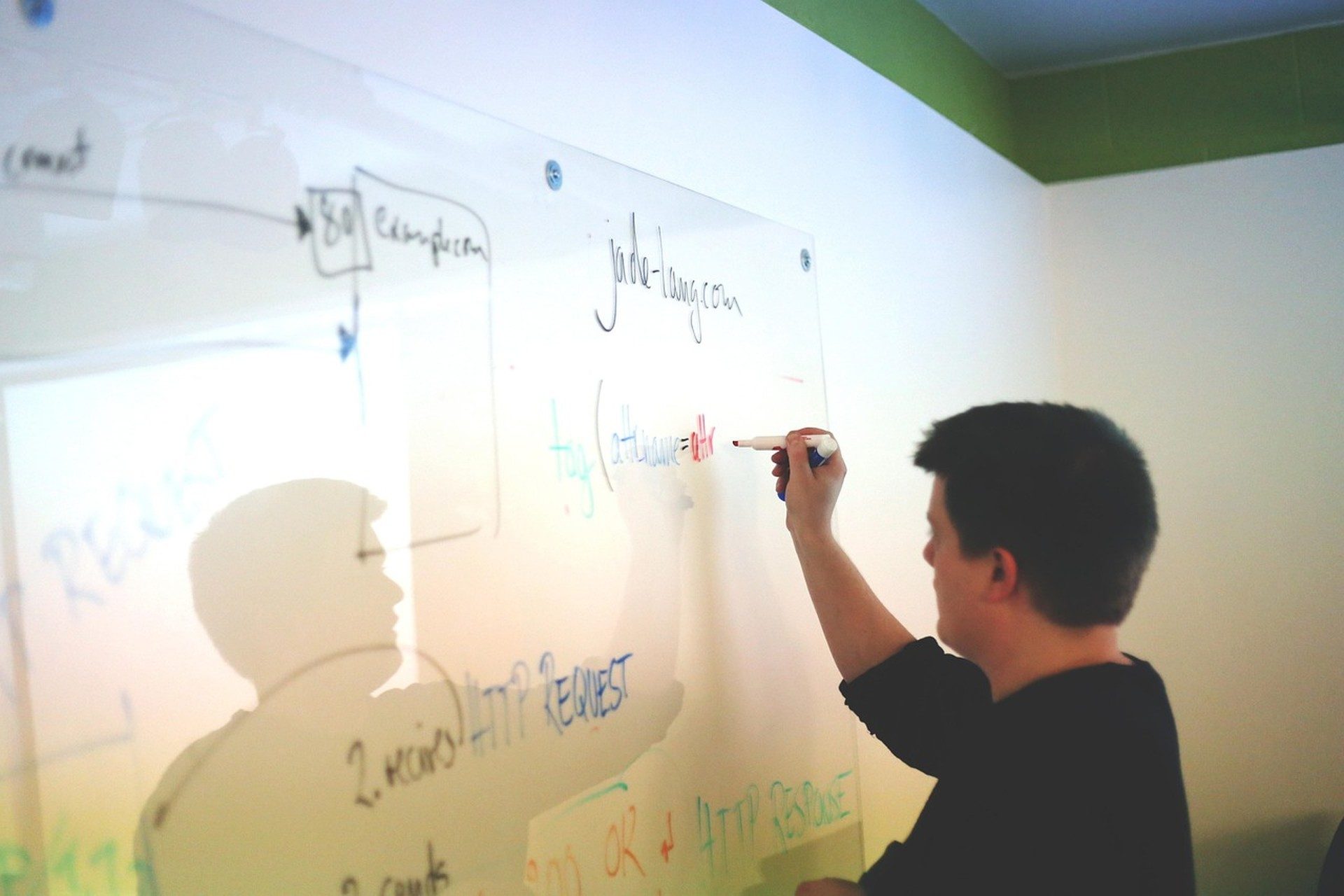
Execution Over Ideas: Why We Bet on How Founders Build
Pitch culture still rewards narrative polish when permanent capital mandates require evidence of how builders execute under ambiguity, constraint, and documented mentor challenge. Foundation Incubator emphasizes…
Read →
How We Help Founders Protect Their IP From Day Zero
Founders often treat intellectual property strategy as a post launch task while collaborators, contractors, and open exploration create ownership gaps that syndicates exploit later. Foundation Incubator funds…
Read →
From Idea to Incorporation: Building the Legal Foundation First
Founders under financing pressure often incorporate first and ask legal questions later, creating cap table debt, IP gaps, and contractor agreements that compress negotiation leverage when syndicates arrive. Foundation…
Read →
The Full Spectrum of Incubation: What We Actually Provide
Accelerator marketing still lists mentorship hours and desk space when permanent capital mandates require a documented service catalog that funds legal, operational, and governance layers vintage programs defer until…
Read →
Why Does Foundation Incubator Avoid Traditional Fund Cycles
Vintage venture funds organize capital around ten year lives, deployment windows, and harvest calendars that LPs expect regardless of how long rare talent needs to mature. Foundation Incubator avoids those mechanics…
Read →
How Do You Identify a Rare Tech Genius Before They Build Anything
Allocator memos and founder pitch decks still lean on pedigree proxies, demo day polish, and incorporation status when the mandate requires identifying genius before they build anything marketable. Foundation Incubator…
Read →
What Does Pre-Market Investing Actually Mean
Technology allocators encounter pre market language in mandate memos, accelerator brochures, and founder pitch decks without a shared definition of what the label requires in practice. At Foundation Incubator, what…
Read →
How Is Human Capital Investing Different From Angel Investing
Founders comparing upstream capital often receive angel introductions before anyone explains how human capital investing vs angel investing differs in timing, governance, and service scope. Angel checks typically price…
Read →
What Is a Permanent Partnership in Tech Investing
Allocators and founders comparing Foundation Incubator to vintage venture funds often ask a plain question first: what is a permanent partnership in technology investing when no harvest deadline governs the…
Read →
New Fund Structure Aims to Replace Traditional VC Timelines
Most venture capital still prices manager economics around finite fund lives: capital calls on schedule, management fees on assets under management, and carried interest on exits before the vintage closes at harvest.…
Read →
Resilience Training for Technical Founders: Policy Developments to Watch in 2026
Technical founders often treat resilience as a private trait rather than a skill set that can be trained and measured. In 2026 that view is becoming outdated. Policy makers, investors, and incubators are drafting rules…
Read →No articles in this category yet.