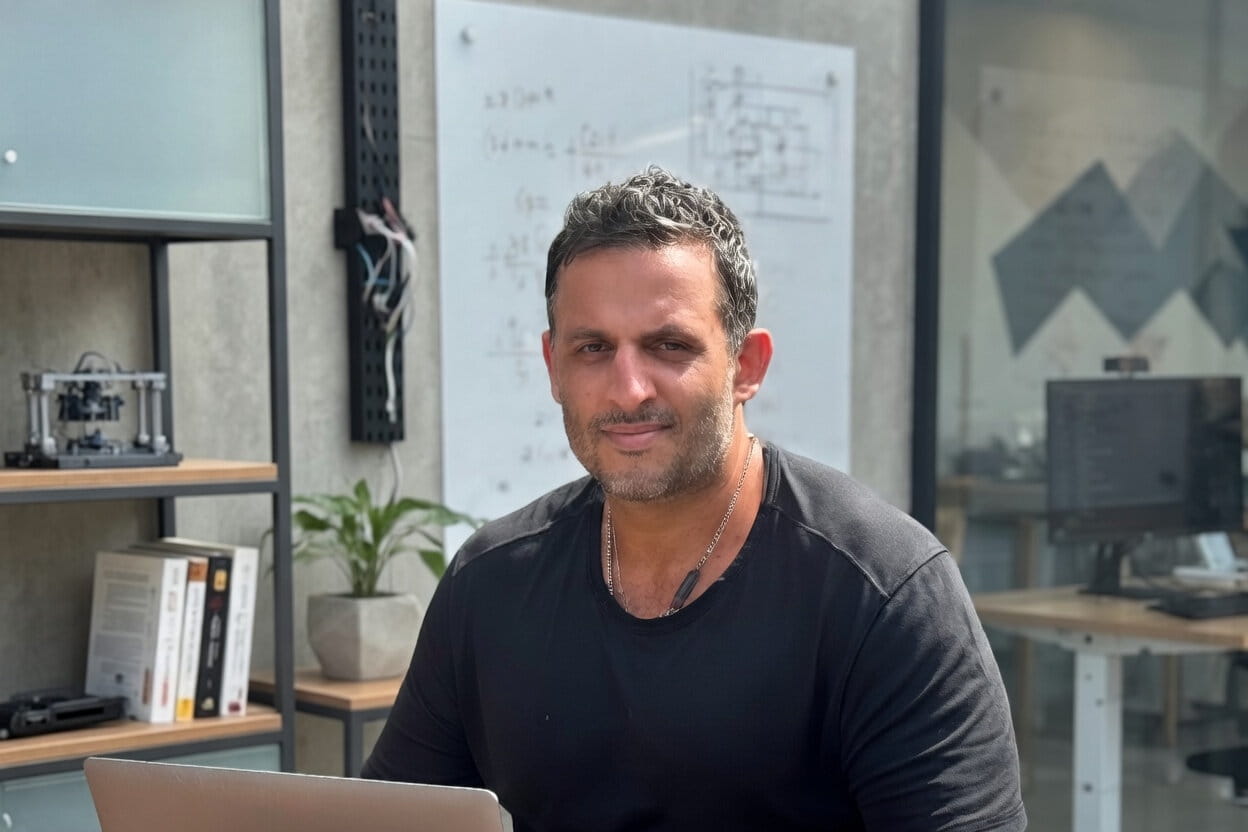
Ecosystem growth at Foundation Incubator now delivers a fresh new mentor cohort online, giving early-stage teams direct access to seasoned operators who once worked only within narrow regional circles. This shift places practical counsel inside every founder calendar without forcing travel or costly relocation.
Startup programs gain real lift when guidance multiplies across borders and industries at once. The latest intake multiplies that capacity by placing experienced voices inside shared digital rooms where product questions, capital strategy, and team design receive rapid feedback.
Arrival of the Newest Guidance Circle
Sixteen practitioners from software, hardware, regulated markets, and consumer brands accepted seats in the current cohort. Each person brings verified exits or scaled product lines, and every conversation now runs through secure video rooms rather than airport lounges.
Selection favored operators who still ship product themselves, not career coaches. Their calendars opened after Foundation reviewed recent open-source records and founder references, confirming they still solve live problems rather than recount old ones.
Readers can explore the larger story behind talent discovery in the piece Foundation Incubator Discovers Rare Talent Through Open-Source Contributions, which shows how contribution graphs helped surface several of these mentors.
Reasons the Expansion Reached Virtual Channels
Physical meetups alone could no longer match the pace of global application volume. Online rooms let a mentor in Nairobi coach a team in Lisbon on the same afternoon a founder in Austin reviews capital decks with a former chief technology officer based in Seoul.
Bandwidth costs fell and video fidelity rose, removing the last excuses for delay. Foundation therefore treated the switch as a permanent infrastructure upgrade rather than a temporary experiment.
Policy makers who track small-business growth note similar patterns; the OECD SME and entrepreneurship workstream documents how remote mentoring multiplies expert hours without multiplying real-estate spend.
Skills Drawn Into the Current Pool
Intellectual-property strategy sits high on the request list. Mentors who once filed patents at large laboratories now walk founders through first claims and freedom-to-operate checks, often pointing them toward public resources such as the US Patent and Trademark Office for free search tools and examiner guidance.
Capital-markets literacy forms the second pillar. One cohort member spent a decade structuring private placements and now demystifies Form D filings and investor-update cadence, referring founders to clear materials published by the US Securities and Exchange Commission so they avoid common disclosure traps.
Go-to-market design rounds out the set. Mentors who scaled marketplace businesses share pricing experiments and channel tests that surviving companies still use months after the first call.
Matching Protocols for Startup Founders
Automated preference forms capture stage, sector, and preferred meeting rhythm. A light human review then pairs each team with two mentors whose recent work overlaps the hardest problem listed on the form.
Pairs begin with a thirty-minute diagnostic call. After that session both sides rate fit; mismatched pairs rotate freely so no founder wastes weeks on chemistry that never appears.
Details of the permanent framework that supports these pairings appear in the announcement Foundation Incubator Launches Permanent Partnership Model, which explains how multi-year mentor commitments replace one-off guest talks.
Tools Powering Remote Knowledge Transfer
Shared whiteboards, recorded office hours, and searchable note libraries keep advice alive after the video ends. Founders revisit a pricing framework months later without hunting through personal email.
Secure channels protect sensitive financials and customer data while still allowing mentors to mark up decks in real time. The stack stays lightweight so teams already stretched thin never face another login to master.
Broader innovation systems around the world rely on similar light digital rails; the World Bank innovation pages catalogue how shared platforms accelerate knowledge flow for emerging firms far from major hubs.
Observed Benefits in First Weeks
Teams that joined the pilot already report faster decision cycles on hiring and pricing. One cohort reduced its customer-acquisition cost by twenty-two percent after two short sessions with a mentor who had fought the same battle at larger scale.
Founders also note calmer investor conversations once mentors supply language that maps to real risk frameworks rather than optimistic slides. The human-capital data that tracks these shifts sits inside the recent Foundation Incubator Publishes First Annual Human Capital Report.
Macro context helps place the gains in perspective. Periodic IMF publications show that economies with dense mentoring networks recover faster after shocks because knowledge does not stay trapped inside single firms.
Connections to Wider Program Updates
The new mentor cohort online sits inside a larger map of ecosystem moves that include permanent partnership tracks and open talent discovery. Anyone seeking the full sequence can browse the News archive for chronological coverage or open the Blog for longer reflections from current participants.
Readers who want institutional background before applying will find the organizational story on the About page and can enter the live environment itself through the Foundation platform.
Every update reinforces the same principle: expansion means more people can receive counsel that once stayed exclusive to a handful of cities.
Next Horizons for Participant Access
Future intakes will add specialized tracks for deep-tech hardware and regulated health products. Foundation already gathers wait-list interest so the next wave of mentors can match those needs the day their calendars open.
Continuous feedback loops will refine pairing algorithms and session formats, keeping the system responsive rather than static. The goal remains simple: every founder who enters the ecosystem leaves with sharper judgment and a wider circle of people who will take their call years later.
Readers comparing notes on Ecosystem Expansion Brings New Mentor Cohort Online in startup and founder programs should keep one dated source list and one named owner for updates so the next review of Ecosystem Expansion Brings New Mentor Cohort Online does not restart definitions. Article reference incubator-143.
If two teams disagree about Ecosystem Expansion Brings New Mentor Cohort Online, write the disagreement in one paragraph with the evidence each side trusts before any money language expands around Ecosystem Expansion Brings New Mentor Cohort Online. Article reference incubator-143.
A short refusal note for Ecosystem Expansion Brings New Mentor Cohort Online should say what was parked, why it was parked, and who can reopen the file on Ecosystem Expansion Brings New Mentor Cohort Online after new facts arrive in startup and founder programs. Article reference incubator-143.
Readers comparing notes on Ecosystem Expansion Brings New Mentor Cohort Online in startup and founder programs should keep one dated source list and one named owner for updates so the next review of Ecosystem Expansion Brings New Mentor Cohort Online does not restart definitions. Article reference incubator-143.
If two teams disagree about Ecosystem Expansion Brings New Mentor Cohort Online, write the disagreement in one paragraph with the evidence each side trusts before any money language expands around Ecosystem Expansion Brings New Mentor Cohort Online. Article reference incubator-143.
A short refusal note for Ecosystem Expansion Brings New Mentor Cohort Online should say what was parked, why it was parked, and who can reopen the file on Ecosystem Expansion Brings New Mentor Cohort Online after new facts arrive in startup and founder programs. Article reference incubator-143.
Related Foundation reading: Market Sizing Without Vanity Metrics: Supply and Demand Scorecard.
Timeless Value. Perpetual Legacy.