Foundation Incubator scouts recently stepped into a robotics lab that most campus maps still ignore. Fluorescent lights flickered over benches crowded with scavenged motors, open-source controllers, and half-finished chassis. What looked like student clutter to casual visitors held something rarer: a cluster of engineers who could make machines sense and adapt in ways commercial teams still struggle to copy. The phrase rare talent discovered in robotics lab now travels through founder networks because this find was neither lucky nor random. It grew from deliberate attention to places that funding cycles and prestige rankings usually skip.
An Unmarked Door Inside a Campus Basement
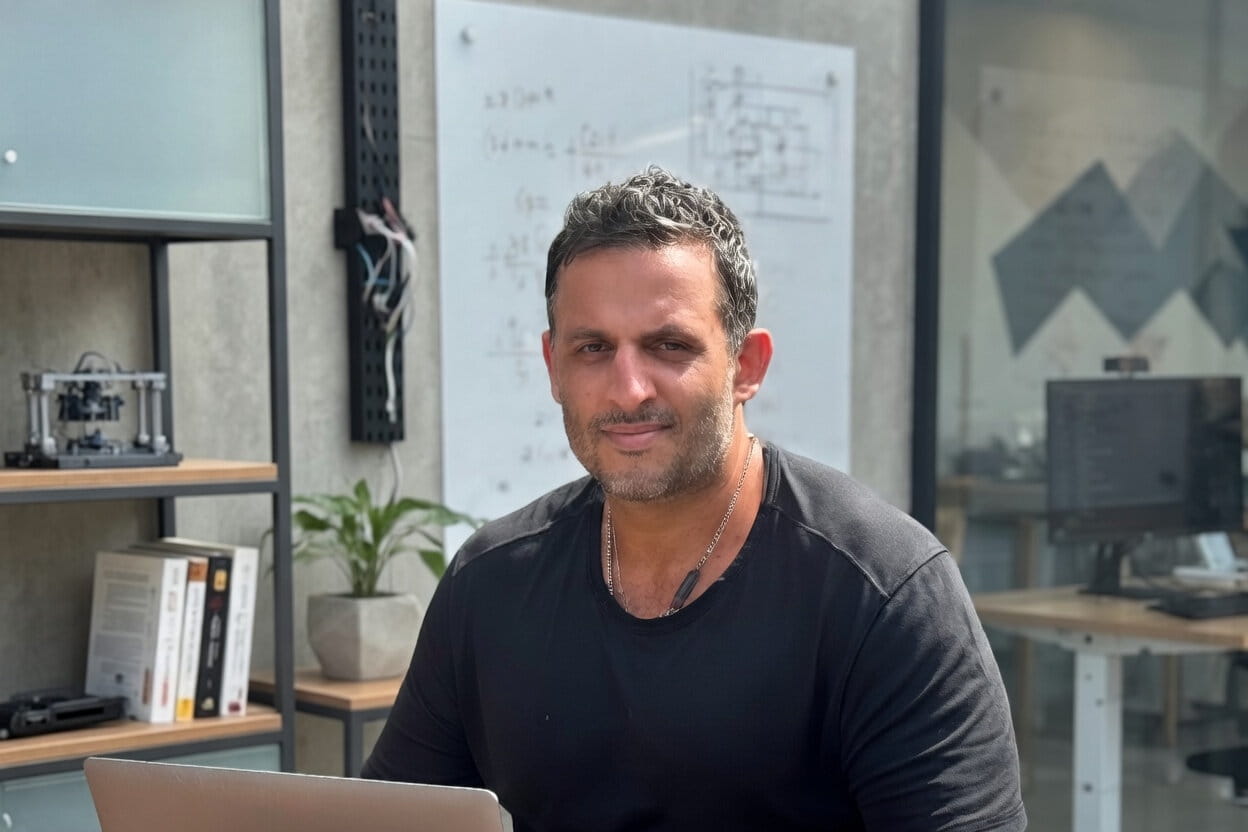
The lab sat two floors below a busy engineering building, accessible only through a service corridor most faculty never used. No polished glass, no corporate logos, just concrete walls and a single whiteboard dense with equations. Three graduate researchers and two recent alumni worked there after hours, building mobility systems that could navigate uneven ground without constant human correction. They funded parts by repairing discarded industrial arms for local shops. Their isolation was not chosen for drama. University grant rules had left them outside the main robotics center, and private investors rarely visit basements.
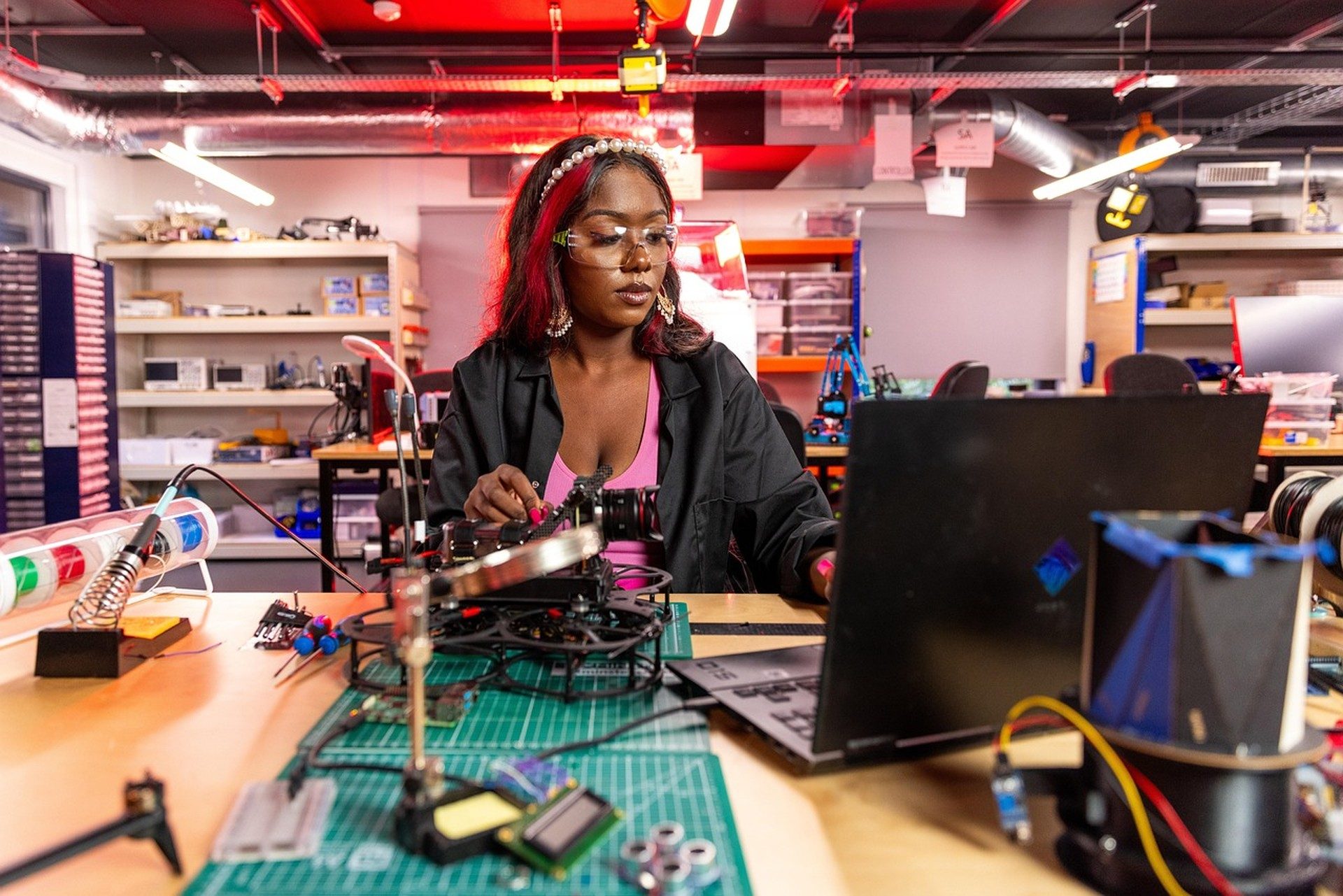
Scouts from Foundation noticed the space during a broader sweep of underfunded university workshops. They were not hunting flashy demos. They wanted evidence of people who solve hard control problems with limited tools. Inside that basement they found code that predicted wheel slip on gravel before sensors registered it, plus mechanical designs that reused cheap hardware in elegant ways. The group had never filed a formal pitch deck. Their notebooks and working prototypes spoke louder.
The Prototype That Ran Without Permission
One evening a small tracked platform left the lab without an official test plan. It crossed a parking lot full of potholes, climbed a short curb, and returned with sensor logs still clean. The engineers had written their own fusion algorithm because commercial packages demanded sensors they could not afford. That unauthorized run became the moment scouts understood they were looking at rare talent discovered in robotics lab conditions that force invention rather than purchase.
Standard evaluation teams often demand polished slides first. Foundation scouts reverse the order. They watch machines move, then ask who wrote the lines that made the movement possible. The basement team could explain every trade-off. They knew why a cheaper inertial unit outperformed a brand-name alternative once their filters compensated for noise. That depth of ownership is hard to fake and harder to recruit through ordinary job boards.
Spotting Depth Where Others Saw Only Scrap
Most visitors would have catalogued the lab as scrap metal and student chaos. Foundation personnel looked for patterns of reuse and original insight. A salvaged servo that once failed under load now held a custom damping mount carved from plastic scrap. Firmware that started as a weekend experiment now handled simultaneous localization and mapping on a single board computer. These details revealed engineers who treat constraints as design material rather than obstacles.
Talent of this kind rarely announces itself with polished LinkedIn summaries. It shows up in the quiet ability to keep a system running when power is intermittent or when replacement parts arrive late. The scouts cross-checked the team’s notebooks against open literature and found several approaches that had not yet appeared in peer-reviewed work. That originality, combined with working hardware, marked the group as worth deeper engagement.
Mapping the Skills That Do Not Appear on Resumes
Resumes listed the usual courses and internships. Reality showed something different. One engineer could diagnose a drifting encoder by listening to motor tone. Another rewrote path-planning code overnight so the robot could carry uneven loads without tipping. A third maintained a parts inventory on paper ledgers because cloud tools required connectivity the basement lacked. These practical capacities form the hidden half of rare talent.
Foundation’s approach treats such skills as primary evidence. Formal credentials remain useful, yet they rarely capture the judgment that develops when budgets force creative substitution. By spending days inside the lab rather than an hour in a conference room, the team documented how each person contributed to system-level reliability. That map later guided how permanent support would be structured.
Turning Isolation into a Permanent Partnership Track
Isolation had protected the lab from premature pressure, yet it also limited growth. Components arrived slowly. Testing space stayed cramped. Mentors who understood both research and commercial timelines were scarce. Foundation responded by inviting the group into a model that does not expire after a fixed cohort season. The Foundation Incubator Launches Permanent Partnership Model framework supplies long-horizon resources while leaving technical direction with the builders.
Under that structure the engineers gained access to shared fabrication time, legal counsel for early patent questions, and introductions to operators who face real logistics problems. They retained ownership of their core methods. Progress reports replaced the usual demo-day sprint, allowing the work to mature at the pace the technology required. Recent counts show the broader program has already reached a notable scale, as noted in Milestone: Foundation Incubator Surprises Fifty Permanent Partnerships.
Why Overlooked Labs Hold Keys to Hard Problems
High-visibility centers attract capital and talent that already fits market fashion. Overlooked labs often tackle messier constraints: low cost, extreme environments, or incomplete data. Those constraints produce solutions that travel well into factories, farms, and disaster zones. Global development institutions have long noted that innovation thrives when pressure meets ingenuity; the World Bank innovation pages track similar patterns across regions where formal funding is thin.
Macroeconomic research reinforces the same point. Stability and growth studies collected in IMF publications repeatedly show that productivity gains appear first in unexpected corners before they scale. Robotics is no exception. The basement team’s low-cost localization methods could lower barriers for smaller operators who cannot buy premium sensor suites. Capturing that value requires scouts willing to walk past the glass-walled labs.
Signals Founders Can Use to Find Similar Talent
Founders hunting their own rare talent can borrow simple signals. Look for workshops that keep machines running long after official hours. Ask for the story behind any improvised part. Request a live demonstration rather than a slide deck. Watch how engineers talk about failures; those who treat each crash as data rather than embarrassment usually possess durable judgment.
Legal and market hygiene still matter once talent surfaces. Early claims should be checked against the public records of the US Patent and Trademark Office so that original work is protected without blocking later collaboration. Equity and disclosure questions benefit from clear guidance issued by the US Securities and Exchange Commission, especially when student or university affiliations create shared ownership. Foundation’s own materials on the Foundation platform outline how these checks fit inside longer partnerships.
Ecosystem gaps remain real. Academic calendars, corporate hiring cycles, and venture timelines rarely align with the slow maturation of physical systems. Readers exploring those frictions will find deeper discussion in What Ecosystem Gaps Are Hardest to Close. Closing them requires patience more than spectacle.
The Broader Pattern Behind Rare Talent Discovery
This robotics lab is one instance of a larger pattern. Foundation teams continue to walk into quiet spaces that prestige filters overlook. Each discovery adds evidence that capability often grows where resources are scarce yet curiosity remains intense. Updates on new finds appear regularly in the News archive, while longer reflections live on the Blog. Anyone wanting the institutional background can visit the About page.
The engineers from the basement now share fabrication time with other permanent partners. Their latest chassis handles mixed terrain that defeated earlier commercial units of similar size. They still keep the unmarked door. New students sometimes wander in, and the original group teaches them the same frugal methods that first drew notice. Rare talent discovered in robotics lab settings continues to prove that careful attention beats loud announcement every time.
Related Foundation reading: Contact, Foundation Incubator Announces First Follow-On Investment Milestone, and Psychological Safety in Hard Tech Labs: Legislative Signals Reporters .
Timeless Value. Perpetual Legacy.