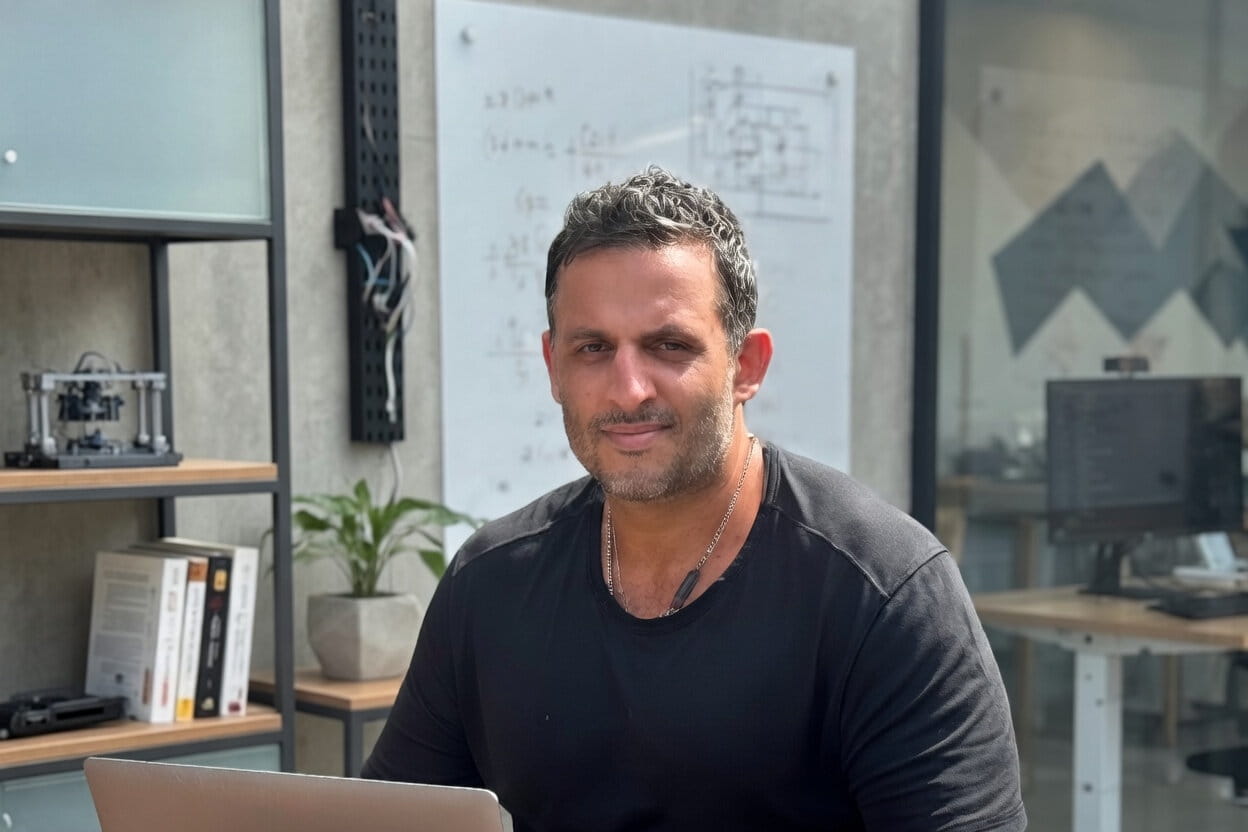
Foundation Incubator's New York team doubles in size after only six months of focused hiring, giving founders denser access to mentors, capital introductions, and market testing on the East Coast. The growth reflects real demand rather than vanity metrics, as more early-stage companies seek hands-on help inside the densest startup corridor in the United States.
Six Months That Redefined the New York Presence
The headcount jump happened because application volume from Northeast founders climbed faster than existing staff could handle. Foundation responded by opening mid-level operator roles, senior partner seats, and specialist slots for product and go-to-market coaching. Within half a year the office moved from a lean pilot group to a full service node that can run multiple concurrent cohorts without bottlenecks.
Office footprint expanded as well, yet the decisive change was human capacity. Twice as many people means twice as many founder conversations each week and shorter wait times for review cycles. Founders who once waited days for feedback now receive same-day notes on pitch materials and market maps.
Counting the New Faces on the Manhattan Floor
New arrivals include former founders who sold companies in fintech and health technology, operators who scaled sales teams past fifty million dollars in annual revenue, and analysts who track regulatory shifts that affect early-stage capital. Each hire brings domain knowledge that previous staff covered only lightly. The result is deeper coverage rather than simple duplication of roles.
Diversity of career paths matters here. Some joiners spent years at large technology firms; others built companies in secondary cities before relocating. This mix helps first-time founders see realistic paths instead of only coastal success stories. Readers can explore earlier growth stories in the News archive to place the New York expansion in sequence with other milestones.
Founder Support Gains From Twice the Staff
Extra mentors translate into more frequent office hours and smaller group workshops. A founder working on a logistics platform can now book consecutive sessions with someone who has shipped similar software and with a capital introducer who knows East Coast family offices. That combination used to require travel or long email chains.
Program design also improved. With more capacity the team can run parallel tracks for consumer, enterprise software, and hard-tech ideas instead of forcing every company into one generic schedule. Early data shows higher completion rates for mentor-assigned homework when groups stay under eight companies.
Capital readiness workshops gained depth as well. Staff can walk founders through disclosure rules that matter when raising from institutional sources, drawing on public filings maintained by the US Securities and Exchange Commission. Clear explanations reduce the chance that promising teams stumble on paperwork after product traction appears.
Hiring Rhythm Behind the Headcount Leap
Recruiting stayed deliberate rather than frantic. Candidates completed multi-day work trials that mirrored actual founder support tasks: reviewing a pitch deck under time pressure, drafting market entry notes, and hosting a mock office-hour session. Only those who earned strong founder feedback moved forward. The filter kept quality high while still filling seats rapidly.
Compensation packages emphasized mission fit and long-term equity upside inside Foundation rather than pure cash premiums. That approach attracted people already motivated by building companies instead of those chasing the next large technology paycheck. Retention numbers after the first three months remain strong, indicating the selection process worked.
The same careful approach appears in other Foundation cities. Parallel gains show up in the Lagos Initiative Surpasses Early Sourcing Targets report, proving that measured expansion can succeed across very different markets when local founders remain the north star.
Ties to Other Cities Fueling This Surge
New York growth did not occur in isolation. Knowledge-sharing sessions with the Tel Aviv and European teams supplied ready-made playbooks for talent screening and cohort design. Insights from the piece Why Tel Aviv Produces a Disproportionate Share of Rare Genius helped New York staff spot high-potential technical founders earlier in the funnel.
Cross-city capital networks also expanded. A New York mentor can now warm-introduce a founder to an Israeli deep-tech investor or a European growth fund within days instead of weeks. That connectivity raises the odds that a strong New York company reaches the right check writers before runway runs short.
Global policy research informed the expansion timing. Reports from the OECD SME and entrepreneurship desk highlight how dense urban ecosystems accelerate learning loops for small firms. Foundation used those findings to justify adding headcount precisely where founder density already runs high.
Practical Changes Founders Will Notice First
Appointment calendars fill more smoothly. Same-week mentor slots appear regularly rather than once a month. Office space now includes private rooms for sensitive investor calls and open tables for peer troubleshooting. Founders report that the physical layout itself reduces friction.
Program materials received upgrades as well. Templates for financial models and customer discovery interviews incorporate lessons collected from recent graduates. New staff rewrote several guides so language stays plain and free of jargon that confuses first-time entrepreneurs.
External context supports the investment. Data curated by World Bank innovation teams shows that concentrated advisory resources raise survival rates for young firms in high-cost cities. The doubled New York team puts that insight into daily practice.
Mentors and Specialists Now On Call Daily
Specialist tracks cover regulatory navigation, early sales hiring, and international expansion. A healthcare founder can sit with someone who has cleared Food and Drug Administration pathways; a marketplace founder can pressure-test unit economics with a former growth lead. These conversations used to require external freelancers who lacked full context on the founder’s stage.
Daily stand-ups among staff keep knowledge current. Mentors share anonymized lessons so that advice stays consistent even when different people cycle through a founder’s calendar. Consistency builds trust faster than scattered opinions from a smaller group ever could.
Longer-term capital strategy also benefits. Staff who understand public-market signals can help founders prepare for later rounds by referencing macro notes available in IMF publications. That preparation reduces surprise when larger investors ask about global demand trends.
Looking Ahead After the Six-Month Sprint
Future plans center on quality rather than endless growth. The New York team will stabilize around current headcount while refining selection criteria for the next founder cohorts. Success will be measured by company outcomes two years after graduation, not by raw application volume.
Partnership structures continue to evolve. The recently announced Foundation Incubator Launches Permanent Partnership Model gives high-performing companies longer access to the expanded staff without forcing them into short program windows. That continuity matches the deeper bench now available in Manhattan.
Anyone wanting more detail on how Foundation operates can visit the main Foundation platform or read background on the About page. Regular updates also appear on the Blog, where operators share practical notes without marketing gloss. The New York expansion simply makes those resources more available to founders already building in the region.
Readers comparing notes on Foundation Incubator s New York Team Doubles in Six Months in startup and founder programs should keep one dated source list and one named owner for updates so the next review of Foundation Incubator s New York Team Doubles in Six Months does not restart definitions. Article reference incubator-169.
Related Foundation reading: AGI Safety Governance for Investors: Benchmarks for Analysts and Repor.
Timeless Value. Perpetual Legacy.