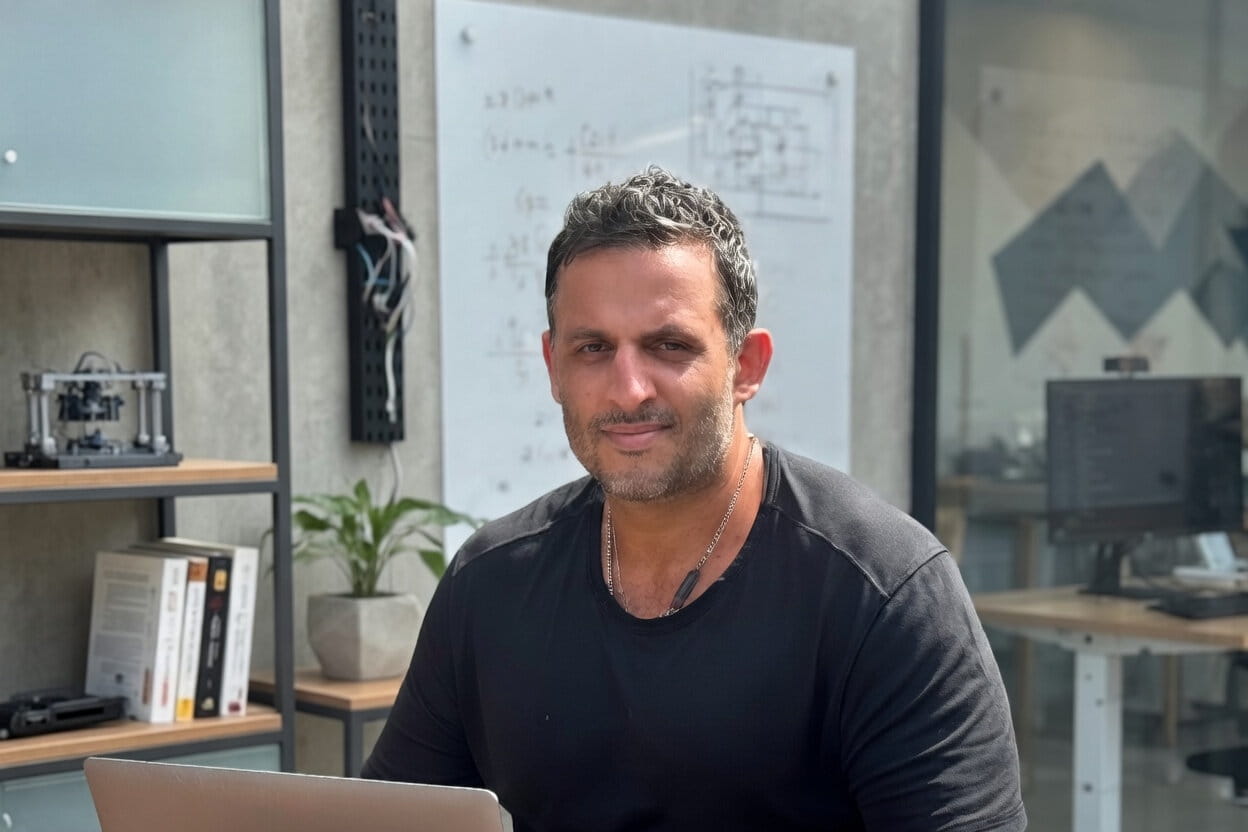
Foundation Incubator has formalized a fresh partnership with regional university network, creating clear routes for campus ideas to reach market-ready teams. The agreement links incubation seats, mentor hours, and pilot testing space to schools that already generate early technical talent. Founders who once hunted campus connections alone now enter a coordinated channel backed by shared goals and simple intake rules.
Ceremony Notes and Officials Present
Leaders from Foundation Incubator stood with university chancellors and program deans to sign the documents in a public hall last week. Cameras captured the moment the last signature was added, and short speeches described how classrooms and incubators will trade people and problems on a regular calendar. Local press and student reporters filled the first rows, asking how soon the first cohort could start. Foundation staff later pointed readers seeking deeper context toward the About page for mission language that guided the talks. The event closed with a reception where faculty and startup operators traded contact cards under one roof.
Attendees left with printed one-pagers that listed next intake windows and named campus liaisons. Those sheets already circulate among student clubs and faculty who advise senior projects. Early feedback notes the language stayed free of heavy jargon, which helped non-experts grasp the offer in minutes.
Universities Brought Into the Founder Pipeline
Participating campuses span engineering, business, design, and life-science faculties across the regional network. Each school names a single office that funnels student teams and research leads toward incubator screening. That office also tracks which projects match open mentor capacity and which need extra lab time. Data from comparable OECD SME and entrepreneurship work shows similar campus-to-incubator bridges raise survival rates for first-year ventures. Foundation now folds those lessons into its own intake playbook.
Faculty who already run maker spaces will open limited evening slots so incubator teams can prototype without building new facilities. Students gain credit or portfolio stamps when they join those sessions. The design keeps bureaucracy light so energy stays on building rather than forms.
How Founders Use Campus Talent and Spaces
Admitted teams receive a campus badge that unlocks shared workshops, meeting rooms, and basic fabrication gear during set hours. They also receive a short list of student freelancers who can code, design, or run user interviews for modest stipends. Mentors drawn from both faculty ranks and Foundation’s operator pool meet teams every other week. One recent case study published on the Blog walks through a hardware prototype finished in six weeks under this model. Founders report that the badge system alone removed weeks of gatekeeping they used to face.
Office hours rotate across the partner schools so travel time stays manageable. Teams book slots through a shared calendar that shows free mentors and available benches. The process favors speed: a founder can secure a first meeting within three business days of badge issuance.
Turning Research Questions Into Market Tests
Many university labs hold half-finished experiments that never leave the building. Under the new terms, researchers can package those experiments as challenge briefs for incubator teams. The teams then run rapid field tests with real users and report results back in plain language. Work from the World Bank innovation desk repeatedly shows that such hand-offs accelerate commercial outcomes. Foundation documents every test so both sides keep clear ownership of new findings.
When a test produces a promising signal, the team and the lab co-author a short public note. That note feeds the next intake round and helps later founders avoid dead ends. Legal templates already approved by both parties keep the hand-off from stalling in counsel review.
Faculty Members Taking Mentorship Seats
Professors who choose to mentor attend a half-day orientation that covers founder timelines, equity basics, and non-disclosure etiquette. They then sit on panels that review applications and later coach admitted teams. Insights drawn from IMF publications on human-capital mobility inform how those coaching hours are counted toward university service requirements. Mentors who complete a full cycle receive a small research stipend paid through the partnership fund. Early volunteers say the stipend removes the usual trade-off between teaching load and outside advising.
Foundation also invites the same faculty to guest-lead special workshops on tech transfer and patent filing. Those sessions draw in more students who later apply for incubation seats. The dual role keeps professors current on market realities while giving founders domain depth they rarely find in pure commercial mentors.
Calendar of Joint Events and Demo Moments
Each quarter the partners host a half-day mixer where faculty, students, and incubator teams pitch unfinished work. Live demos run on shared screens and founders get five minutes to collect feedback cards. A mid-year showcase lets teams that finished pilot tests present results to regional investors invited by Foundation. Details of the permanent partnership approach appear in the earlier announcement titled Foundation Incubator Launches Permanent Partnership Model, which remains useful reading for anyone tracking model evolution. The next mixer date already sits on every campus calendar.
Event logistics rotate among the university venues so no single campus carries the full hosting burden. Catering budgets stay modest and focus on food that lets people talk while standing. Attendance grows each quarter because the sessions deliver concrete introductions rather than passive lectures.
Patent Guidance and Filing Help on Campus
Teams that invent new devices or methods can schedule free consultations with patent agents who visit the partner campuses monthly. Those agents walk founders through provisional filings and point them toward the searchable resources of the US Patent and Trademark Office. Foundation covers the first provisional fee for any team that has cleared mid-program review. The same office hours also cover trademark clearance so product names do not collide later. Founders leave each session with a dated checklist and a named contact for follow-up questions.
When a team advances to incorporation questions, advisors flag the registration filings that fall under the US Securities and Exchange Commission once private placements begin. That early warning keeps founders from treating equity grants casually. The combined patent and securities overview sits inside the standard mentor handbook so every coach can give consistent first answers.
Capital Milestones Linked to University Cohorts
Teams that graduate from the joint program become eligible for the follow-on checks already announced in Foundation Incubator Announces First Follow-On Investment Milestone. A second tranche of permanent capital earmarked for 2027, described at Foundation Incubator Expands Permanent Capital Pool for 2027, will prioritize those same alumni. Allocation rules reward teams that kept faculty collaborators engaged through the full cycle. Full program history and related press remain searchable inside the News archive. Prospective applicants can also review operator profiles on the Foundation platform before they submit materials.
Clear milestones replace vague promises. A team that hits product-market signals and keeps its university link active moves to the front of the review queue. That rule turns the partnership into a measurable filter rather than a branding exercise.
The partnership with regional university network therefore hands founders a practical on-ramp, gives universities a visible route for impact, and supplies Foundation with a steady stream of pre-vetted teams. Every clause favors action over ceremony, so the first cohorts can begin building within weeks rather than semesters.
Related Foundation reading: For mentors and Customer Discovery Interview Design: City Pair Analysis for Allocators.
Timeless Value. Perpetual Legacy.