Regional founder houses have drawn growing attention across Northwest startup circles, yet many founders still carry a set of half-true ideas about how the model works. This piece walks through those ideas one by one, using plain language so any adult reader can separate useful design from rumor. The focus keyword incubator nw regional founder houses guide simply marks the territory: permanent or semi-permanent residential environments that combine living space, light programming, and peer accountability for early-stage builders.
Houses Are Not Just Fancy Co-Working With Beds
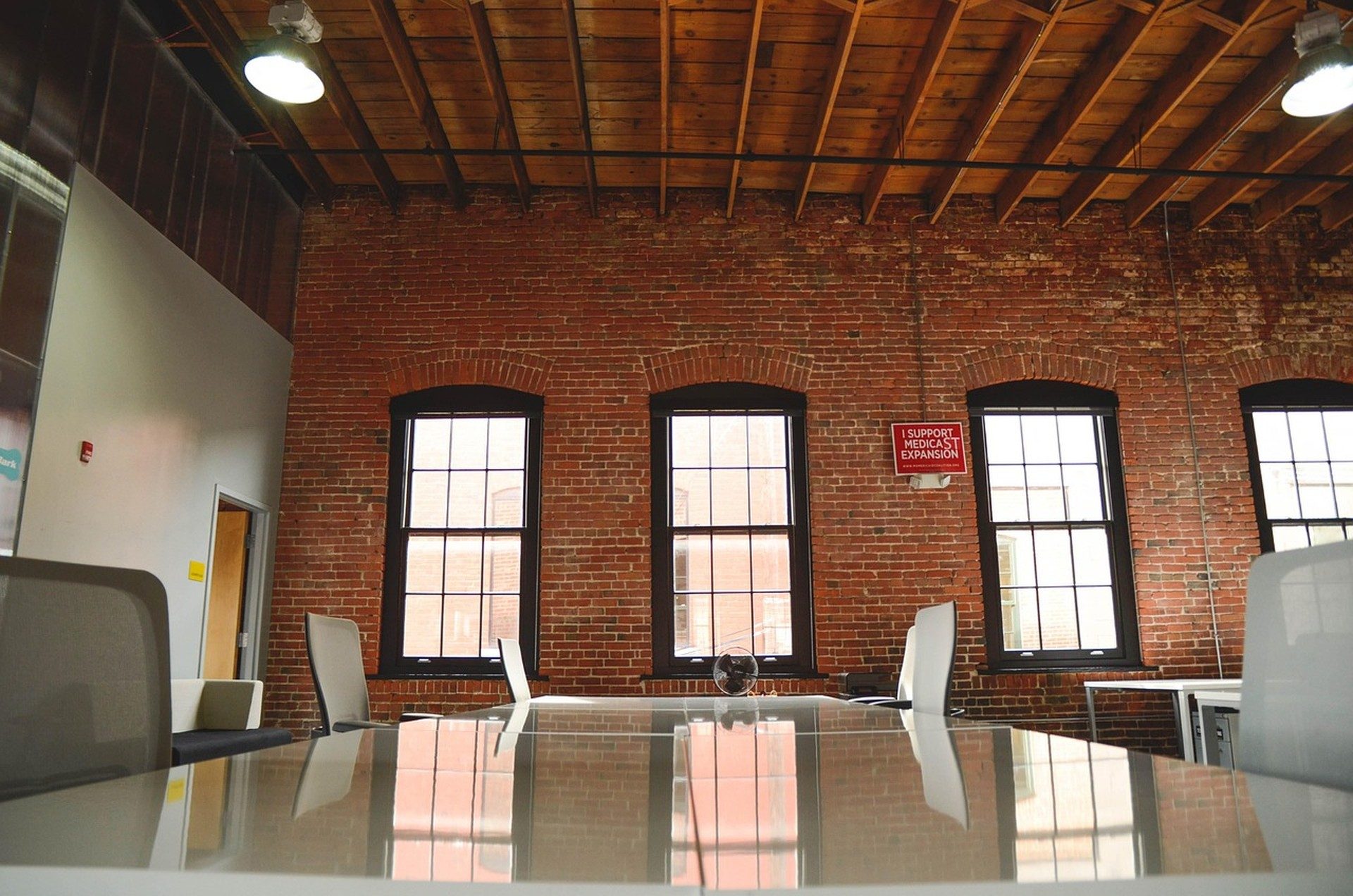
Many first-time visitors expect an open-plan office that happens to include bunks. The actual design is closer to a small intentional community where residents share kitchen duties, evening debriefs, and occasional weekend work sprints. Living under the same roof changes the pace of feedback; a half-formed idea can be pressure-tested at breakfast instead of waiting for a scheduled office hour. That intensity is intentional and is one reason selection committees look for self-awareness as much as technical skill.
Operators of the best houses invest in soundproofing, private work nooks, and clear quiet hours so deep work remains possible. The living room becomes a rotating stage for demos rather than a permanent lounge. When the model works, residents leave with sharper product instincts and a handful of lifelong collaborators rather than a stack of business cards.
Selection Does Not Guarantee Free Rent Forever
A common misconception is that acceptance equals unlimited free housing. Most regional programs offer a defined residency window, often three to nine months, after which founders either graduate into independent space or negotiate a shorter extension. Some houses charge modest monthly fees that cover utilities and basic food staples; others underwrite costs through sponsorships. Clarity on the exact terms appears in the acceptance packet and should be read carefully before packing a suitcase.
Founders who treat the house as a permanent free hotel quickly exhaust goodwill. Those who treat it as a high-intensity chapter tend to exit with stronger runway discipline. For broader context on how long-term support is evolving, the recent announcement Foundation Incubator Launches Permanent Partnership Model shows one path that keeps alumni connected without stretching residential capacity.
Regional Does Not Equal Disconnected From Larger Markets
Some founders worry that choosing a house outside a coastal mega-city will cut them off from capital and talent. In practice the strongest Northwest programs maintain deliberate bridges: monthly virtual office hours with coastal mentors, travel stipends for key conferences, and shared databases of warm introductions. Residents still need to do the work of outreach, but the house staff often open the first door.
International organizations track similar patterns. The OECD SME and entrepreneurship page notes that well-designed local hubs can raise survival rates for small firms even when they sit far from traditional financial centers. Geography still matters for recruiting early customers, yet digital tools and intentional network design reduce the old isolation penalty.
Shared Living Is Not the Same as Forced Group Projects
Another frequent fear is that every evening will turn into a mandatory team-building exercise. Healthy houses protect individual agency. Residents set their own product roadmaps; collaboration happens when it is mutually useful. House managers may schedule optional skill shares or invite guest speakers, but no one is graded on attendance.
What does happen organically is informal knowledge transfer. A founder struggling with pricing can ask the person two doors down who just closed a seed round. That exchange is voluntary and often more candid than a public Slack channel. Over time the house develops a living record of experiments; the Cross Cohort Knowledge Base Architecture: Who the Main Stakeholders Are essay explains how those notes can be structured so later cohorts inherit the useful lessons without repeating the same mistakes.
Legal and Intellectual Property Basics Still Apply Inside the Walls
Some applicants assume that living in a founder house somehow softens ordinary legal duties. Patents, trademarks, and equity paperwork remain fully in force. Before disclosing a novel process at the dinner table, residents should understand basic disclosure rules. The US Patent and Trademark Office site provides free primers on provisional filings and public-use bars that every technical founder should skim once.
Equity conversations among housemates also benefit from early clarity. Informal sweat-equity promises can sour relationships if they are never written down. Houses that run well encourage residents to use simple founder agreements early and to keep personal legal counsel separate from house staff.
Business Education Is Not Optional for Purely Technical Builders
A stubborn myth holds that a brilliant product will automatically attract customers and capital. Regional houses that last more than a year have learned otherwise. Most now require a short sequence of business fundamentals covering unit economics, basic financial statements, and customer discovery. The curriculum is deliberately practical rather than academic.
Readers who want a fuller map of that requirement can start with Mandatory Business Education for Technical Founders: What New Readers Should Kno. The same houses often keep a small library of case studies so residents can see how earlier cohorts applied the lessons under real cash constraints. Technical excellence remains prized; commercial literacy simply keeps the company alive long enough for the technology to matter.
Capital Markets and Reporting Rules Do Not Disappear
Founders sometimes believe that a residential model shields them from securities law until they raise a large round. That is inaccurate. Even small friends-and-family raises can trigger registration or exemption requirements. The US Securities and Exchange Commission maintains plain-language guides that every founder should review before circulating a term sheet.
Macro conditions also shape local fundraising windows. Periodic IMF publications on credit cycles and regional growth help operators and residents set realistic expectations for how long a seed round may take. Houses that ignore these signals risk sending founders into the market at the worst possible moment.
Sustainability Requires More Than Initial Excitement
Finally, critics sometimes claim that founder houses are temporary fashion. Evidence from multiple continents points the other way. The World Bank innovation portfolio includes long-running residential programs that have outlasted several economic cycles by adapting selection criteria and funding mixes. Longevity comes from treating the house as infrastructure rather than a marketing stunt.
Operators who publish transparent occupancy and outcomes data build trust with local governments and philanthropists. Residents who treat the space with respect leave it stronger for the next group. Anyone curious about how Foundation approaches these questions can browse the News archive, the ongoing Blog, the institutional About page, or the broader Foundation platform for current program notes and open calls.
Clearing misconceptions does not remove every risk, but it does let founders decide whether a regional house fits their stage and temperament. The model rewards people who show up ready to work, ready to share, and ready to leave the place better than they found it.
See also Foundation platform.
Readers comparing notes on Regional Founder House Models Common Misconceptions in startup and founder programs should keep one dated source list and one named owner for updates so the next review of Regional Founder House Models Common Misconceptions does not restart definitions. Article reference incubator-227.
Related Foundation reading: Why We Build the Company Shell Around the Genius, Not Before, Kyiv Sourcing Program Identifies First Cohort of Founders, and Cross Cohort Knowledge Base Architecture: Policy Regime Comparison Acr.
Timeless Value. Perpetual Legacy.